

Eco-Friendly Lifestyles: A Guide to Sustainable Living
Living an eco-friendly lifestyle is not only beneficial for the environment but also for our own well-being. By making conscious choices and adopting sustainable practices, we can reduce our carbon footprint and make a positive impact on the planet.  In this comprehensive guide, we will explore different eco-friendly lifestyles and provide practical tips on how to incorporate them into your daily routine.
Photo Credit:Image by FreePick
Pope John Paul II
1. Renewable Energy for Electricity
One of the most impactful ways to make your home more eco-friendly is by harnessing renewable energy sources for electricity. Solar photovoltaic (PV) installations, commonly known as solar panels, convert sunlight into electricity, providing a reliable and sustainable source of energy. According to the Energy Saving Trust, installing solar panels can save the average household one tonne of carbon emissions per year.
Solar PV systems not only reduce greenhouse gas emissions but also improve local air quality by eliminating the release of pollutants. Additionally, solar battery storage can be installed to store excess energy and ensure a continuous power supply, even during outages. There are various Solar Panels Grants available to make this transition more affordable.
2. Smart Thermostats
Smart thermostats offer a convenient and energy-efficient solution for controlling your home’s heating and cooling systems. These Wi-Fi-enabled devices can be remotely controlled from your smartphone or other smart devices.
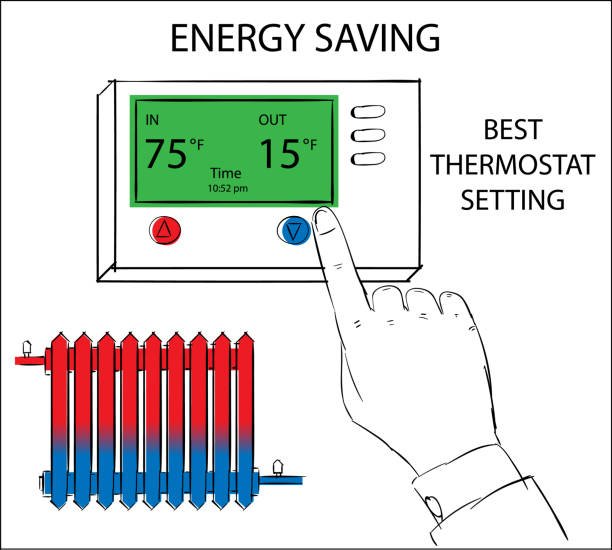
By using presence sensing technology and learning your heating patterns, smart thermostats optimize energy usage by adjusting temperatures based on occupancy and outside conditions.
Studies have shown that homes equipped with smart thermostats can reduce energy consumption by up to 16.5% compared to homes without these devices. Not only do smart thermostats help lower energy bills, but they also contribute to reducing the overall demand for fossil fuel-based energy.
3. Energy Efficient Lighting
Traditional incandescent light bulbs are highly inefficient, with up to 80% of the energy they consume being wasted as heat. Switching to energy-saving alternatives like LED light bulbs can significantly reduce energy consumption and carbon emissions.
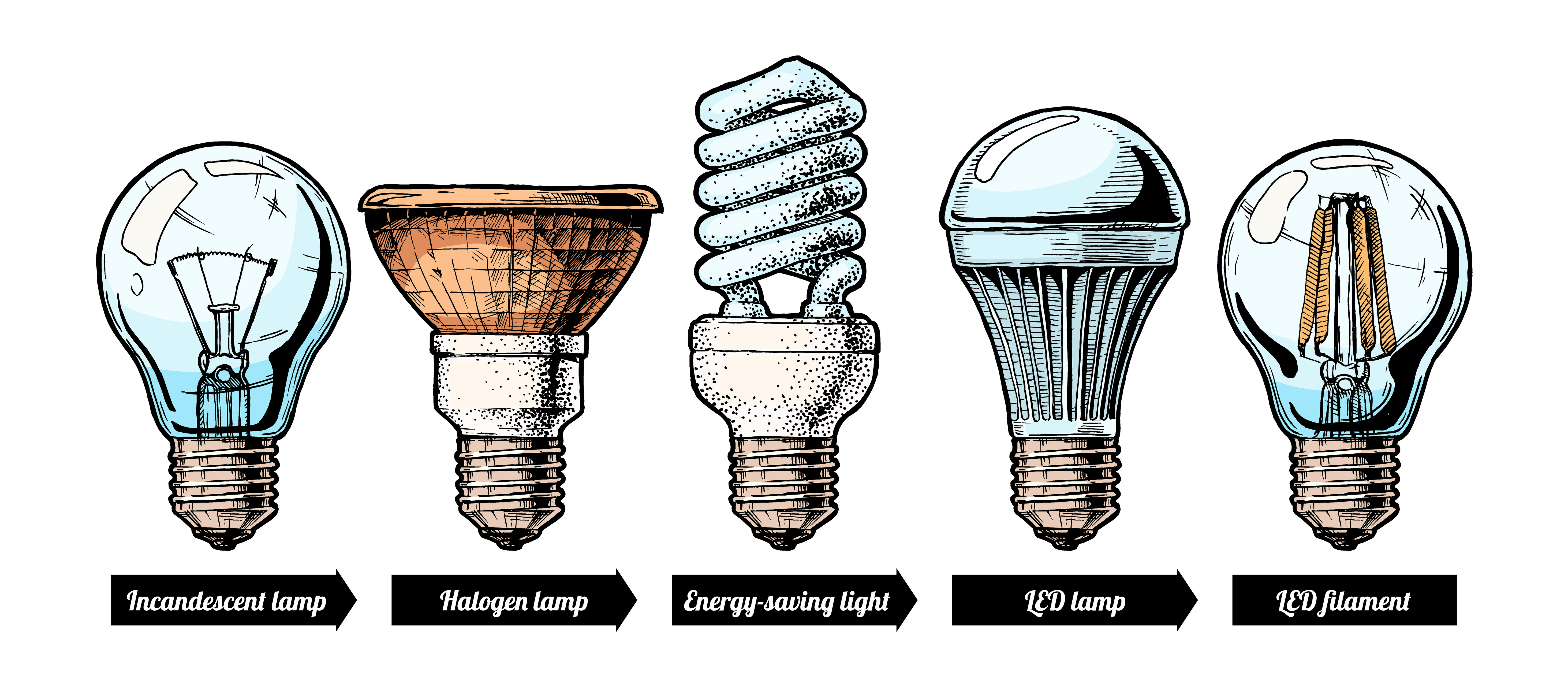
LED bulbs operate at 80-90% energy efficiency and have a much longer lifespan than traditional bulbs.
By replacing your old light bulbs with energy-efficient LED alternatives, you can reduce your carbon emissions by up to 40kg per year, according to the Energy Saving Trust. Not only do LED bulbs save energy, but they also provide the same quality of light while lasting much longer.
4. Upgrade to Energy Efficient Appliances
Upgrading to energy-efficient appliances is another effective way to reduce your carbon footprint and save on energy costs. When it’s time to replace your old appliances such as washing machines, refrigerators, ovens, or dishwashers, look for models with high energy efficiency ratings.
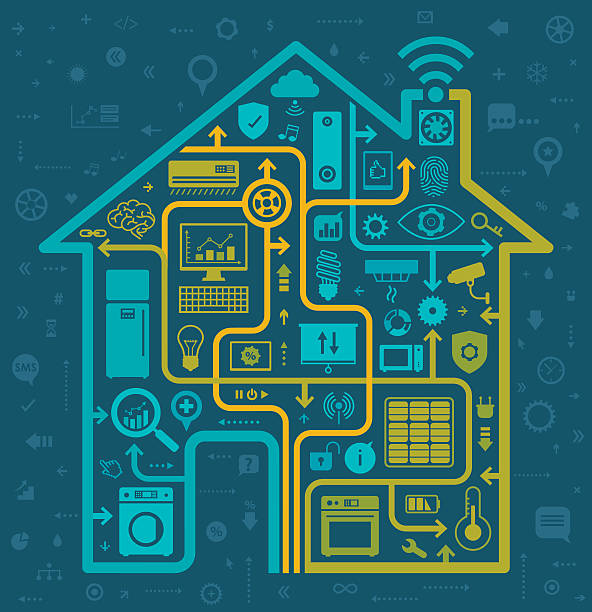
The energy efficiency label, ranging from A to G, indicates the appliance’s energy-saving capabilities, with A being the most efficient.
The Governments have introduced regulations to promote energy-saving appliances and ensure the availability of spare parts for repairs. By choosing energy-efficient appliances, you not only decrease your energy consumption but also contribute to reducing electrical waste and extending the lifespan of your appliances.
5. Use Eco-Cleaning Products
Many conventional cleaning products contain harmful chemicals that can harm both the environment and our health. By opting for eco-friendly cleaning products, you can minimize your environmental impact and create a healthier living space.

Eco-cleaning products are made from natural, biodegradable ingredients that are safe for both you and the environment.
Mainstream cleaning products often contain detergents, preservatives, and foaming agents that can pollute water sources and harm ecosystems. 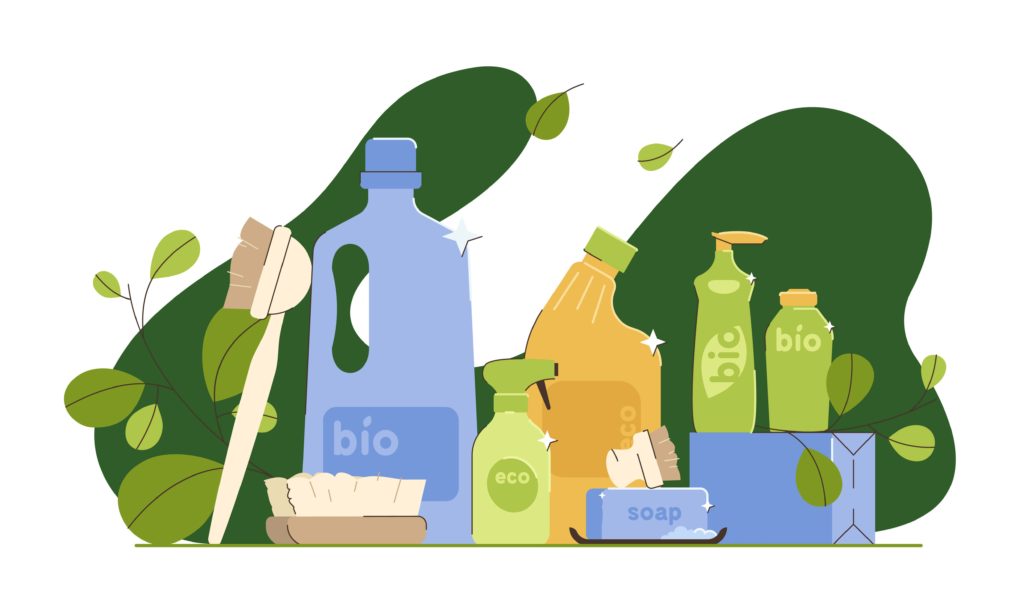 By choosing eco-friendly alternatives, you can prevent water pollution and contribute to biodiversity conservation. Look for cleaning products with certifications such as the EU Ecolabel or Green Seal to ensure their environmental credentials.
6. Zero-Waste Lifestyle
Living a zero-waste lifestyle involves reducing waste generation and striving to send as little as possible to landfills or incinerators. By adopting practices such as reusing, recycling, and composting, you can significantly reduce your environmental impact.

While achieving zero waste may be challenging, even small changes can make a difference.
To embrace a zero-waste lifestyle, start by reducing your consumption of single-use items such as plastic bags, straws, and water bottles. Instead, opt for reusable alternatives like stainless steel water bottles, bamboo utensils, and cloth shopping bags. Additionally, composting food scraps and yard waste can divert organic materials from landfills and provide nutrient-rich soil for your garden.
7. Vegan Lifestyle
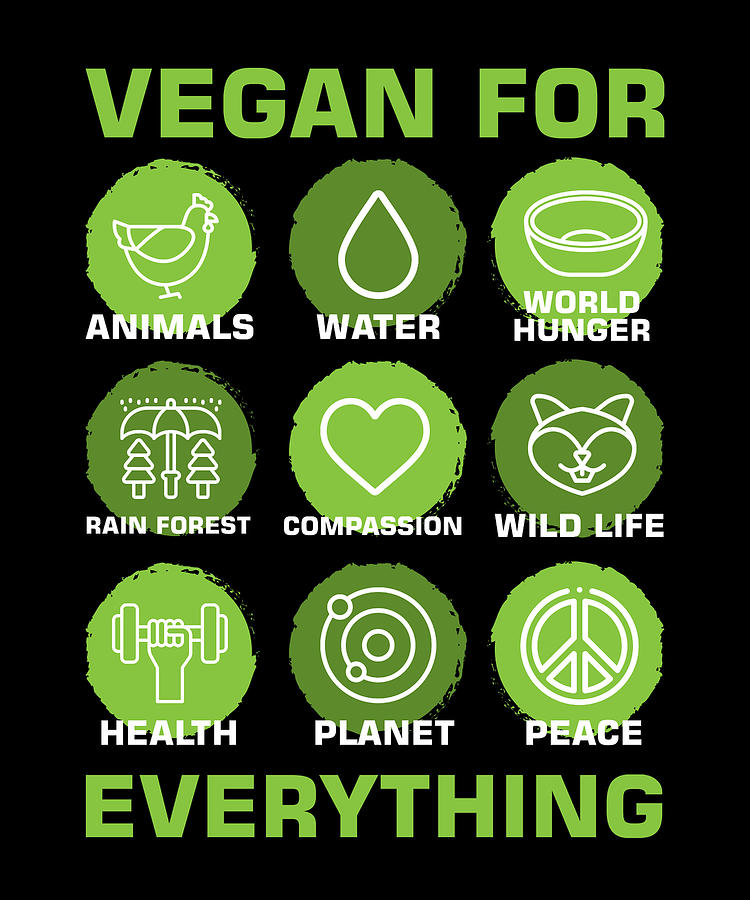 Choosing a vegan lifestyle not only benefits animal welfare but also has a positive impact on the environment. Animal agriculture is a significant contributor to greenhouse gas emissions, deforestation, and water pollution. By eliminating or reducing the consumption of animal products, you can significantly reduce your carbon footprint.
A vegan lifestyle involves avoiding meat, dairy, eggs, and other animal-derived products. It also extends to avoiding products tested on animals and supporting cruelty-free brands. While transitioning to a fully vegan diet may not be feasible for everyone, even adopting a part-time vegan approach or reducing meat consumption can make a difference.
8. Self-Sufficient Lifestyle
 Living a self-sufficient lifestyle involves producing your own food, energy, and other resources, reducing reliance on external sources. By growing your own fruits and vegetables, raising animals for food or fiber, and generating renewable energy, you can decrease your ecological footprint and enhance your self-reliance.
To embrace self-sufficiency, start by creating a small garden where you can grow herbs, vegetables, or fruits.  Consider raising backyard chickens for eggs or keeping bees for honey and pollination. Renewable energy systems such as solar panels or small wind turbines can provide clean and sustainable power for your home. Additionally, learning skills like cooking from scratch, preserving food, and DIY repairs can contribute to a more self-sufficient lifestyle.
9. Conscious Consumerism
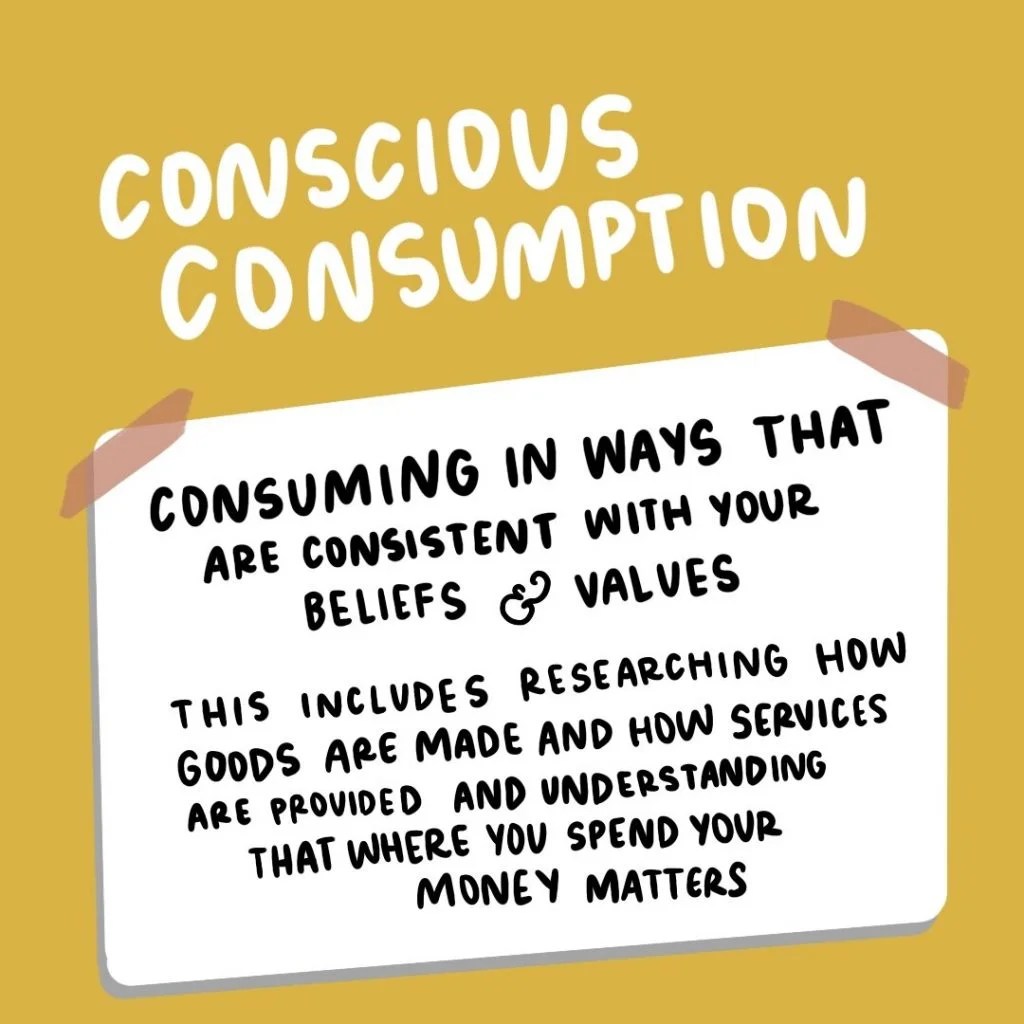 Conscious consumerism involves making mindful choices when it comes to purchasing products and supporting brands. By considering the environmental and social impact of your purchases, you can contribute to a more sustainable economy and promote ethical practices. Conscious consumers prioritize quality, durability, and ethical sourcing.
When shopping, opt for products that are sustainably produced, use eco-friendly materials, and have transparent supply chains. Support local artisans and businesses to reduce the carbon footprint associated with long-distance transportation. Avoid single-use plastics and choose reusable alternatives. By becoming a conscious consumer, you can use your purchasing power to drive positive change.
10. Minimalist Lifestyle
A minimalist lifestyle centers around owning and consuming less, focusing on quality over quantity. 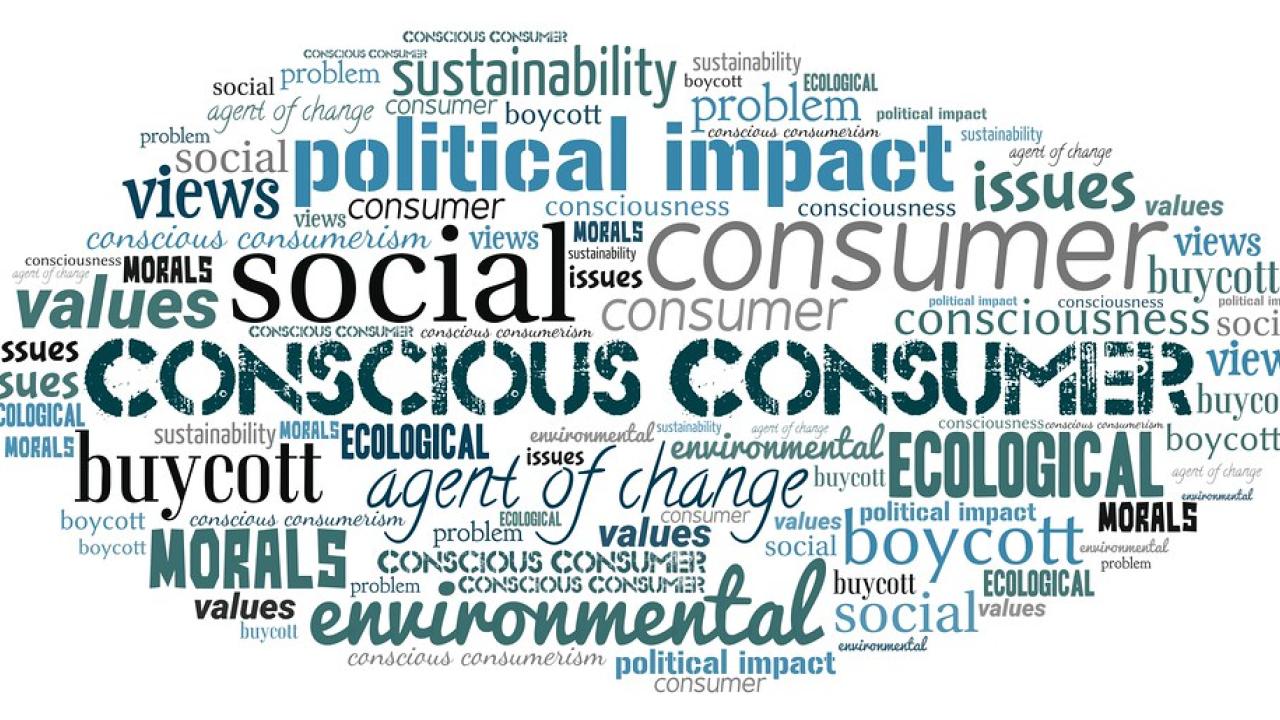 By decluttering your living space and simplifying your possessions, you can reduce waste and create a more intentional and sustainable lifestyle. Minimalists prioritize experiences and meaningful relationships over material possessions.
To embrace minimalism, start by decluttering your home and donating or selling items you no longer need or love. Focus on purchasing high-quality and durable items that serve a purpose and bring joy. Avoid impulsive buying and ask yourself if an item is truly necessary before making a purchase. By adopting a minimalist mindset, you can reduce waste, save money, and cultivate a more intentional life.
11. Sustainable Lifestyle
A sustainable lifestyle encompasses various eco-friendly practices and aims to minimize environmental impact while promoting long-term resource conservation. 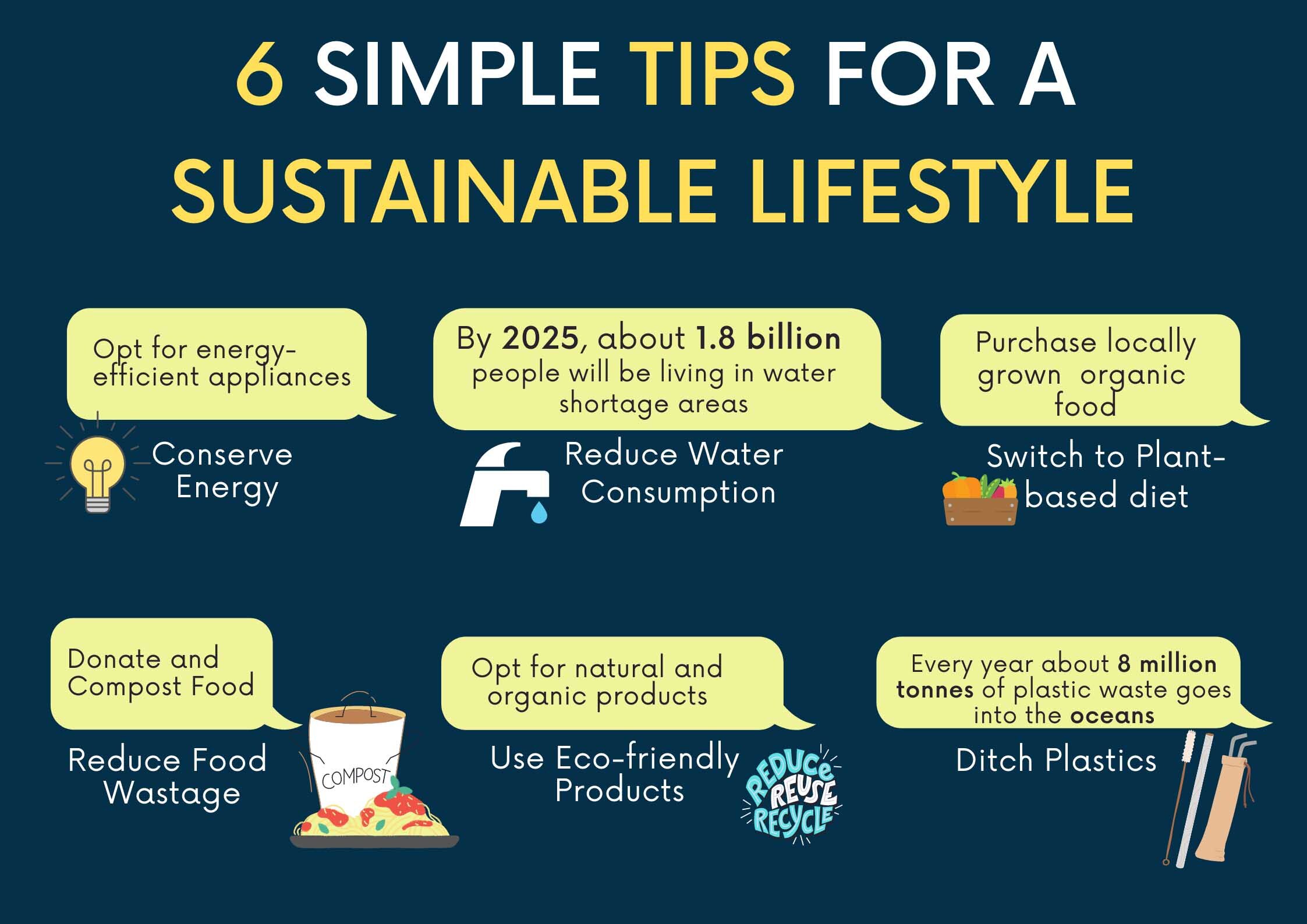 It incorporates elements of renewable energy, zero waste, conscious consumerism, and self-sufficiency. Sustainable living requires a holistic approach to everyday choices and habits.
To live a sustainable lifestyle, assess your energy consumption and explore renewable energy options like solar or wind power. Reduce waste by implementing recycling and composting systems and embracing reusable alternatives. 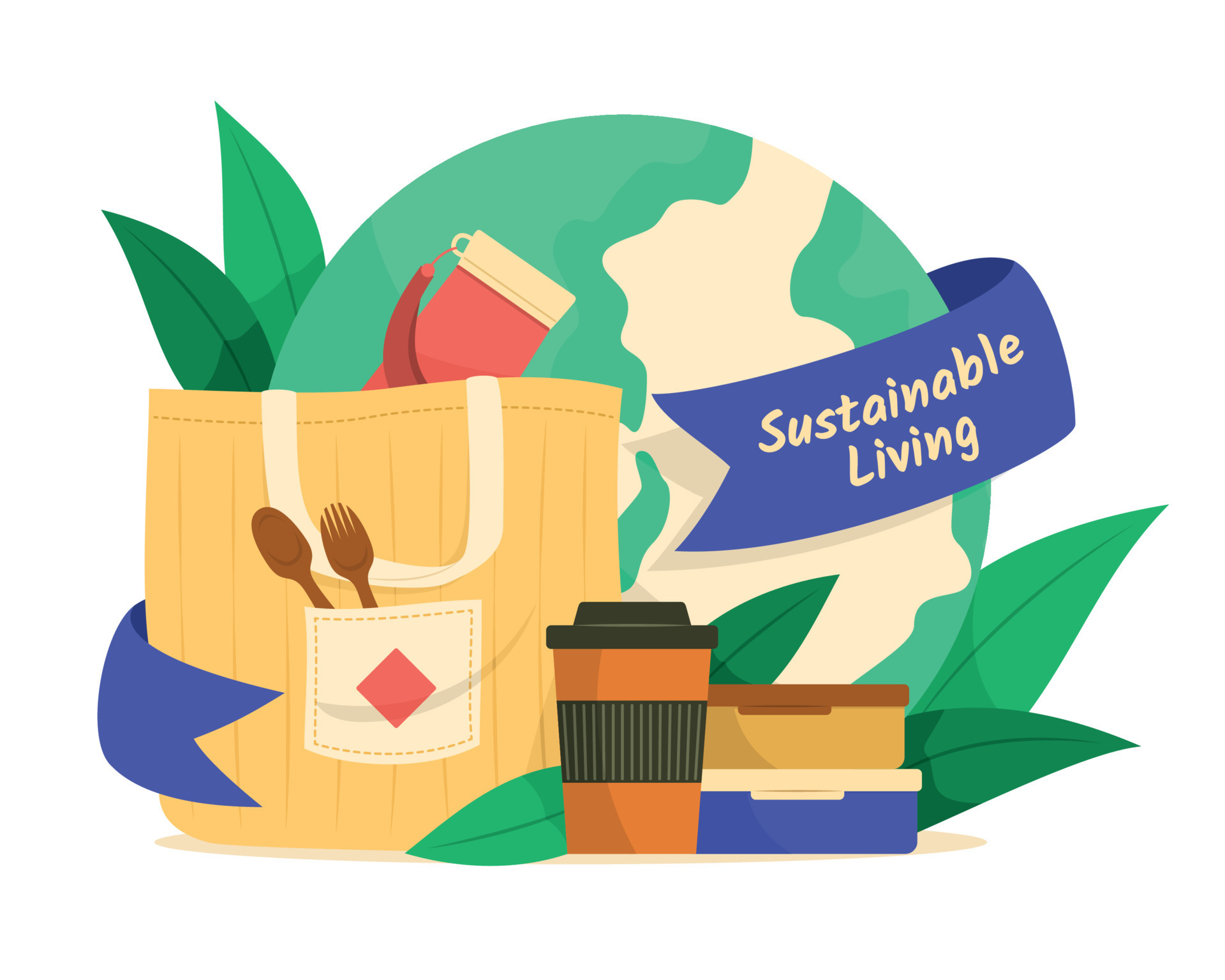 Make informed choices when purchasing products, considering their environmental impact and ethical practices. Embrace self-sufficiency where feasible, growing your own food and reducing reliance on external resources. By adopting a sustainable lifestyle, you contribute to a more resilient and thriving planet.
In conclusion, adopting an eco-friendly lifestyle is essential for creating a sustainable future. By implementing practices such as renewable energy, waste reduction, conscious consumption, and self-sufficiency, we can minimize our environmental impact and promote a healthier planet. Start small, choose what resonates with you, and gradually incorporate eco-friendly habits into your daily routine. Together, we can make a significant difference and create a greener and more sustainable world.

 IMStreamCO